
Last Updated on July 7, 2026 by Hannah Stephenson
Thinking of moving to Cape Town? I’ve got you covered.
Cape Town is quickly becoming a popular hub for digital nomads and remote workers, and if you’re wondering if Cape Town is a good place to live, the answer is yes!
It’s got beautiful beaches, mountain views, amazing food and wine, and a laid-back, outdoor lifestyle.
I came here in October 2021 intending to stay for three months. After just one week, I had decided that I wasn’t leaving. Fast forward five years, and I’m still here!
If you’re not sure whether to make the move, this guide contains my honest advice on moving to Cape Town. Keep on reading to find out what it’s really like, from the exciting bits to the practical stuff and the things I wish I’d known sooner.
Quick Answer: Is Cape Town a Good Place to Live?
Yes! Cape Town offers an amazing quality of life, with good weather and a very affordable cost of living for those who earn in pounds, dollars, or euros.
For me, living in Cape Town is a dream come true. I really cannot express how much I love it here!
Jump to:
Pros and Cons of Living in Cape Town
| Pros | Cons |
| Amazing natural beauty | Safety concerns |
| Lots of outdoor activities | Limited public transport |
| Great food and wine | Airbnbs can be expensive |
| Convenient time zone for UK and European remote workers | Visa admin is often stressful |
| More affordable than many European, UK, and US cities | A lot of inequality |
| Social lifestyle | |
| Lots of great neighbourhoods | |
| Scenic weekend trips nearby | |
| Easy to get around |
The Best Things About Living in Cape Town
The lifestyle is amazing


For me, this is the biggest reason to move to Cape Town.
It’s not just that the city is beautiful, although obviously, it is. It’s more that living here really allows you to make the most of your free time! Most days after work, I go for a sunset walk along the prom, meet friends for a dip at Saunders, or grab dinner at one of Cape Town’s amazing restaurants.
Then at weekends, I love to hit the beach, head to wine farms, or take a day trip somewhere outside of the city. It’s a really dreamy way of living.
Basically, every day here feels like a holiday!
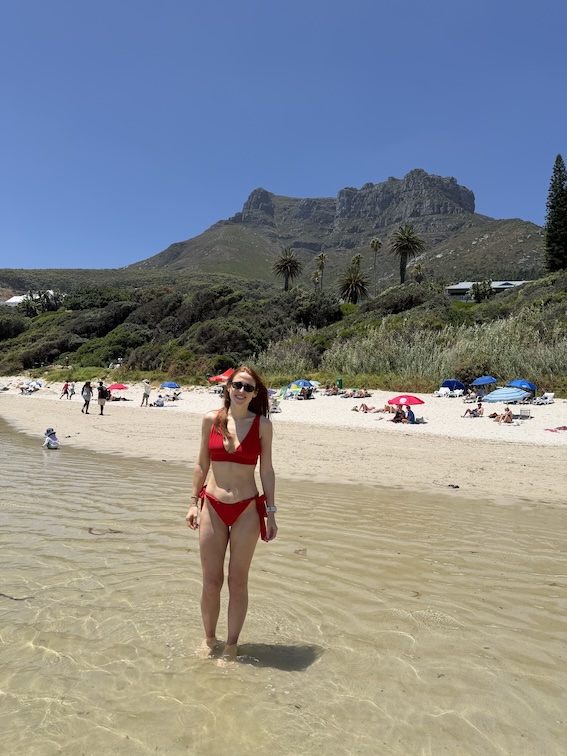
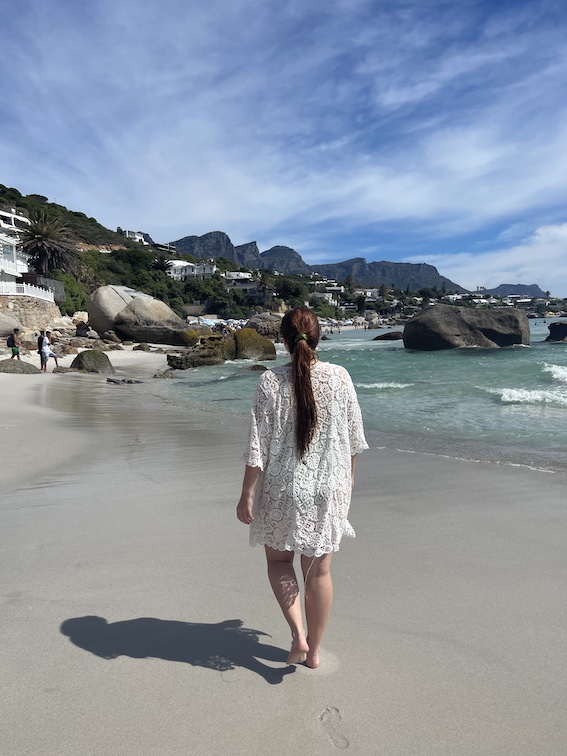
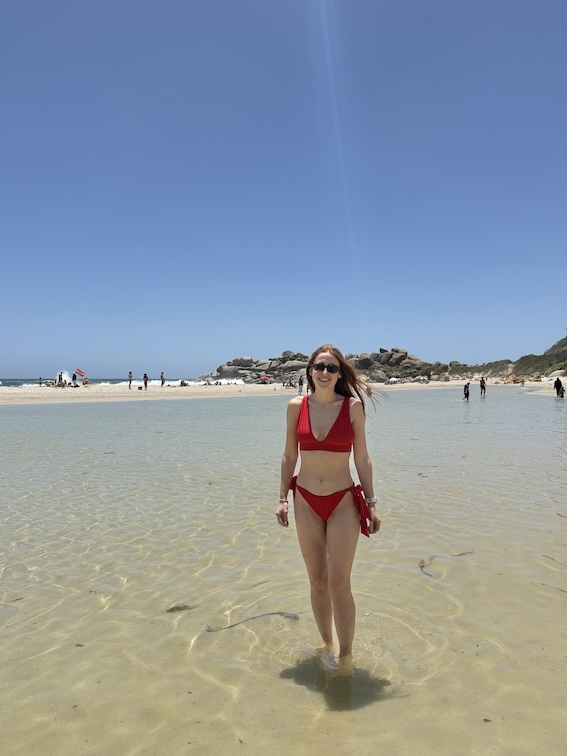
The beaches are a huge part of everyday life
This kind of tries into my point above, but there really is something so magical about living close to a ton of beautiful beaches.
I didn’t grow up anywhere near the coast, so for me, living close to gorgeous beaches is a dream come true!
It’s so easy to get to the beaches, too. You don’t need to go for a whole day. Sometimes, I go for a swim in my lunch break with friends, or just pop down for sunset after work. And of course, there’s nothing like treating your hangover at the beach on the weekends.
You’re also pretty spoiled for choice when it comes to the beaches of Cape Town. From the Clifton beaches to hidden gems like Beta Beach, there are plenty of excellent ones to choose from.
Magical mountains


One of the many reasons to move to Cape Town is that you can see a mountain pretty much anywhere you go.
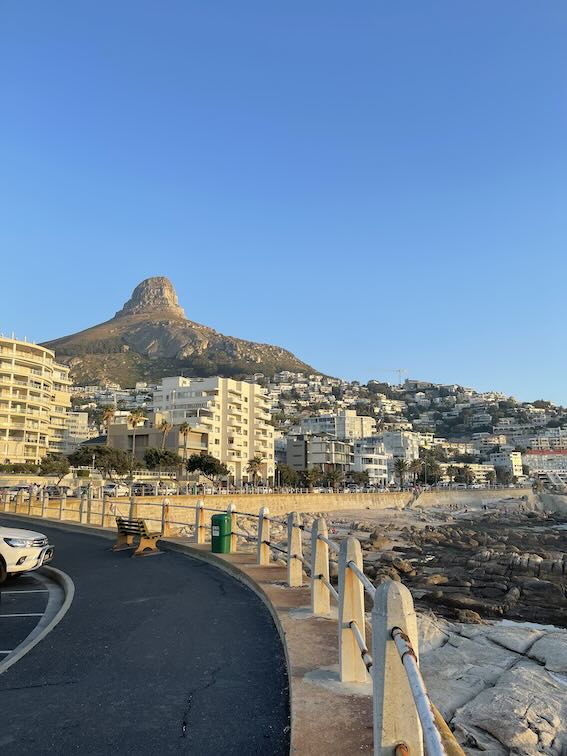
Table Mountain is the most famous of the lot, and its flat top makes for an amazing backdrop to the city. Then, the Twelve Apostles form the back of the Table Mountain range. They’re so dramatic, and you can see them from Bantry Bay, Clifton, and Camps Bay.
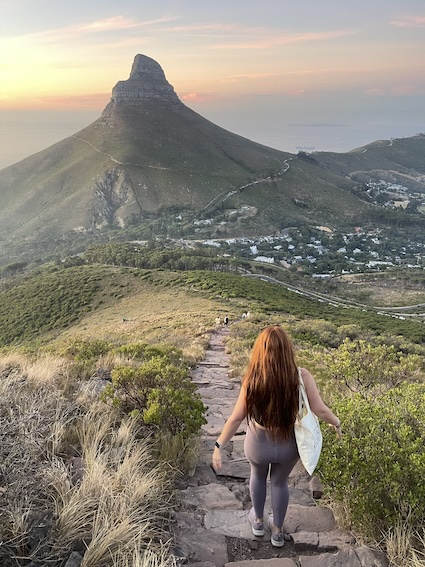
Lion’s Head is another iconic mountain, and it’s pretty easy to hike up and down. There’s also Signal Hill, which is a really popular sunset spot.
Of course, you can hike up all of these peaks, but you’ll also get great views of them all around town. And I love that even when you take a road trip out of the city, you’ve got mountain views all around you as you drive along the highway.
Outdoor activities


Cape Town’s gorgeous weather and dramatic landscapes mean that it’s a dream come true for outdoorsy types! From trail running and hiking to kayaking, surfing, stand-up paddleboarding, and cold water swimming, you will never run out of things to do here.
In fact, outdoor activities are just part of normal, everyday life here. Most mornings, I run along the seafront between Sea Point and Camps Bay, and you often see people doing early morning yoga on the beach or hiking up the Kloof Corner steps for sunset.
And if you’re in need of a buddy, there are tons of run clubs, hiking groups, and outdoor yoga classes you can join.
When you live in Cape Town, spending time outside pretty much just happens naturally!
Lots of sunshine


Cape Town is a super sunny city! Blue skies and warm days are the norm here, hence all of the outdoor activity I’ve just mentioned.
Yet it’s not an overwhelmingly hot place to live. Even in the summer, the temperature cools down quite a lot in the evening so it’s rarely too hot to sleep at night.
Plus, Cape Town gets a LOT of wind, which really cools things down!
In fact, while the city gets a lot of sunshine, the weather here can be quite changeable. Capetonians often say that you get four seasons in one day here, and it’s true. In fact, since the city’s landscape is so varied, the weather can vary a lot from area to area, so sometimes you get four seasons at once!
The winters are cooler and wetter, but as a Brit, I wouldn’t exactly describe them as freezing (although the locals would, but they’re spoiled with all of this sunshine!) You’ll definitely get some rainy days between May and September, but there are still plenty of bright, sunny ones too.
Incredible sunsets


Cape Town really does have spectacular sunsets.
What’s more is that it’s home to plenty of amazing spots to watch said sunsets!
Hiking up to Kloof Corner is a great way to enjoy the sunset, or you can just soak it in as you stroll along the Sea Point promenade.
Whenever I have friends come to visit, I usually take them to the 12 Apostles Hotel for a sundowner at the Leopard Bar. It has great views of the sunset of the ocean and Lion’s Head.
Obviously, the beaches are also beautiful for sunsets. Clifton is always a treat, but we often head to Saunders as it’s closer to where most of my friends and I live. It’s convenient as well as pretty.
The food and wine scene

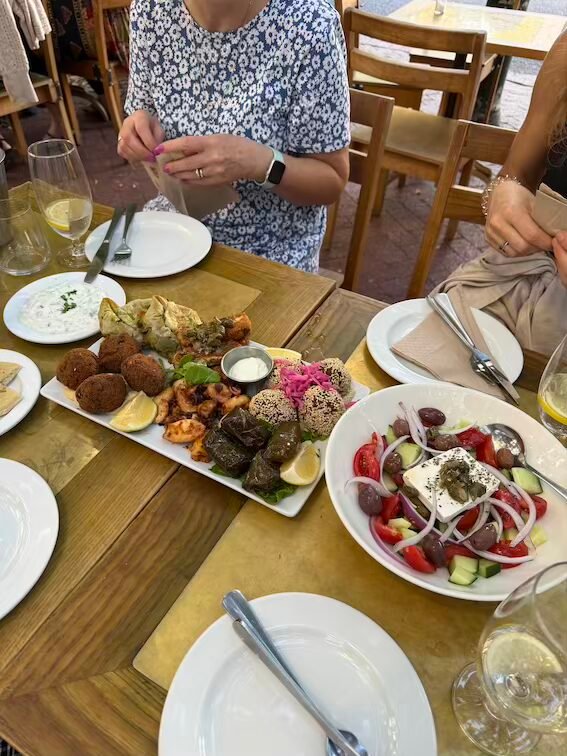
The food scene is another huge point in Cape Town’s favour.
South Africans are pretty proud of their food, and for good reason. Cape Town has such a good mix of cuisines, from Cape Malay dishes and fresh seafood to amazing steak, Italian food, brunch spots, bakeries, markets, and wine bars. The quality of produce in the Western Cape is just amazing!
There are some incredible wine regions in and around Cape Town. In the city itself, you’ve got the areas of Constantia and Durbanville, which are home to some incredible wineries, and they’re not super touristy, either.
Then of course, you’ve got the famous wine regions of Stellenbosch and Franschhoek.
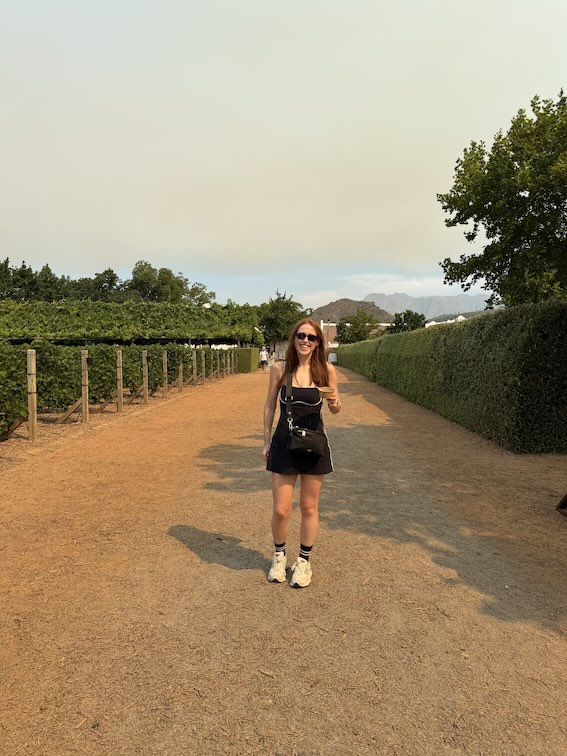
The Franschhoek wine tram is one of my favourite things to do near Cape Town, and it still blows my mind that you can spend a Saturday hopping between gorgeous wine farms and be back in the city by the evening.
There are amazing places nearby

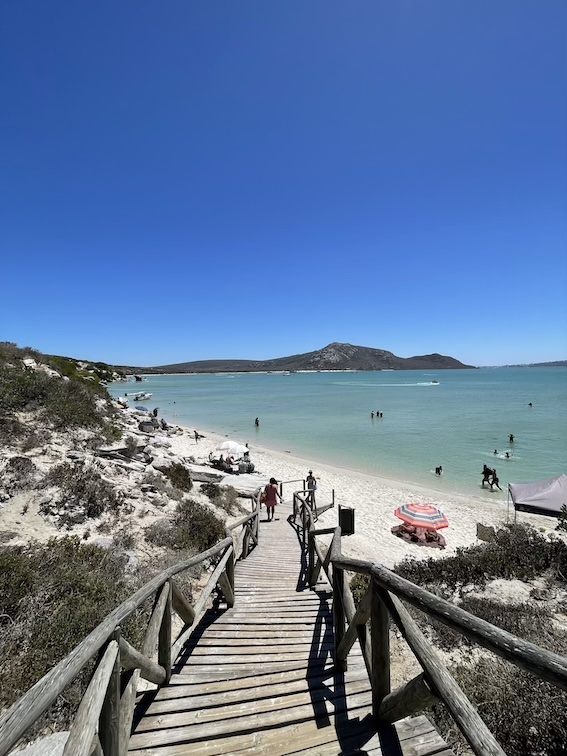
Another huge perk of living in Cape Town is that there are so many amazing places nearby.
The Winelands are the obvious one. I sooo recommend treating yourself to a gorgeous overnight stay at Eikendal in Stellenbosch, or hopping on board the wine tractor! And of course, as I mentioned, I love the Franschhoek wine tram – plus, it’s such an easy day trip from the city.
There are also gorgeous coastal spots like Langebaan and Hermanus, both of which make great weekend trips. Langebaan is perfect for swimming in the lagoon and visiting the West Coast National Park, while Hermanus is one of the best places in South Africa for whale watching during the winter months.
You’ve also got the Cederberg if you want even more dramatic mountains than the ones in Cape Town, and although Cape Town isn’t really a safari destination in the same way that Kruger is, there are still private game reserves within driving distance if seeing wildlife is high on your list.
Basically, Cape Town is not just an amazing city to live in. It’s also a very good base for exploring more of the Western Cape!
For more ideas, check out my guide to the best day trips from Cape Town.
Practical Things to Know Before Moving to Cape Town
Cape Town is affordable if you earn in foreign currency

Obviously, “affordable” is relative, and I don’t want to pretend that Cape Town is cheap for everyone. It really depends on what you earn, where you live, and the kind of lifestyle you want.
But if you’re earning in pounds, dollars, or euros, then Cape Town can offer a pretty incredible lifestyle for the money it requires.
This is one of the biggest reasons why it has become so popular with digital nomads and remote workers. Compared to cities like London, New York, Sydney, or Amsterdam, your money can go a lot further here, especially when it comes to eating out, Ubers, and fun things to do.
In fact, I’d say everything in Cape Town is roughly half the price of what you’d pay in London.
And thanks to the epic scenery, a lot of the best things to do here are free, or inexpensive. Some of my favorite activities here are hikes, beach picnics, and running along the coast!
So while Cape Town isn’t exactly dirt cheap, in terms of lifestyle for money, it’s pretty hard to beat.
Short term rentals have become expensive
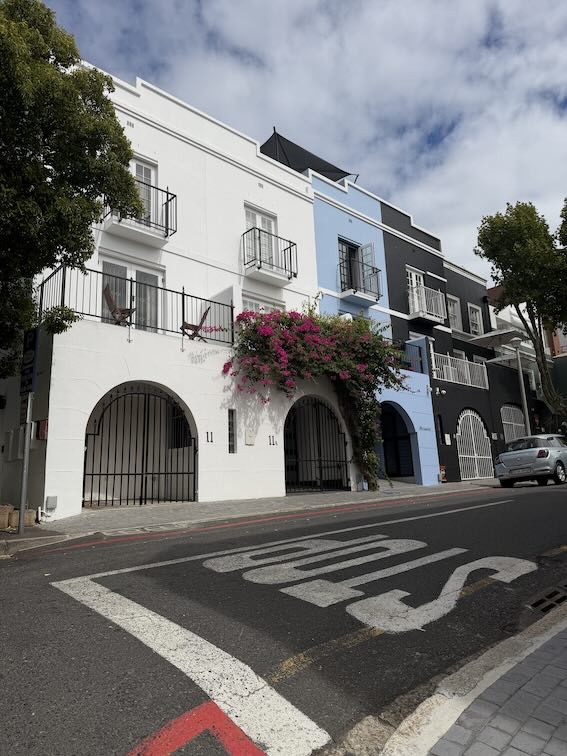
That said, rent in Cape Town is not as cheap as some people expect, especially if you’re looking for a short-term rental in one of the more popular areas.
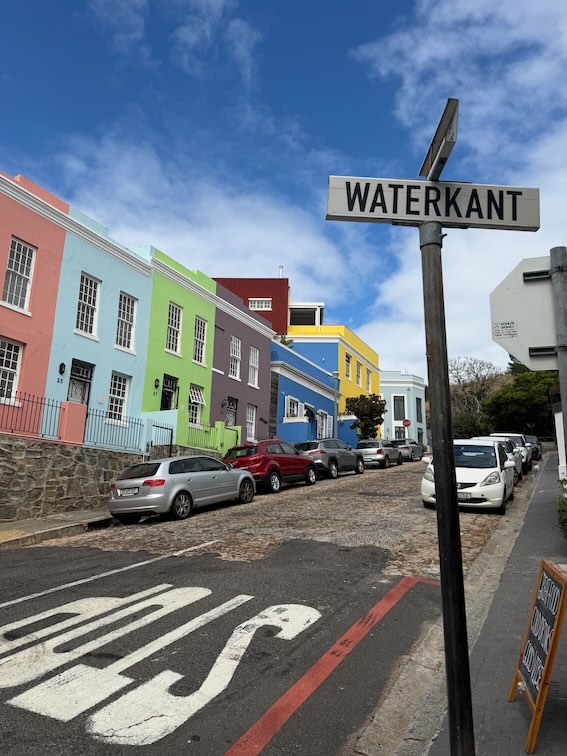
Neighbourhoods like Sea Point, Green Point, De Waterkant, Gardens, Tamboerskloof, Vredehoek, and Camps Bay are all very popular with digital nomads, remote workers, and tourists. So naturally, prices have gone up, especially during the summer months.
You can still find good deals, but you may need to be flexible with your dates or look slightly outside of the most obvious areas. You can also sometimes find good short-term sublets on the Huis Huis Facebook group but again, this does require a bit of flexibility.
This isn’t such an issue if you’re staying for longer, though. If you take out a year-long lease on an apartment, your rent will be at least 50% cheaper than it would be if you went through Airbnb.
Rent in good areas is no longer as cheap as people expect


In a similar vein, while long-term rentals are a lot more affordable than Airbnbs, prices have gone up a lot in recent years.
I used to rent a 3-bedroom house in Sea Point for R18,000 per month (with two friends, I might add). Now, you’d often be looking at that much (or more) for a 1-bed apartment!
To be honest, rent in Cape Town is still pretty affordable for most expats and nomads, but it’s not exactly inconsequential.
The best areas to live in Cape Town


Cape Town has some really amazing neighbourhoods to choose from. I definitely recommend staying in one of the following areas because they are safe and central, with easy access to everything that the city has to offer:
- Sea Point
- Green Point
- De Waterkant
- Gardens
- Tamboerskloof
- Camps Bay
The great thing about staying in one of these areas is they’re all walkable, too! You won’t need to rent a car unless you want to, you can just use Uber for trips around the city, and hire a car when you’re exploring a bit further afield. This is actually what I do, since I don’t have a car in Cape Town.
Getting around is easy
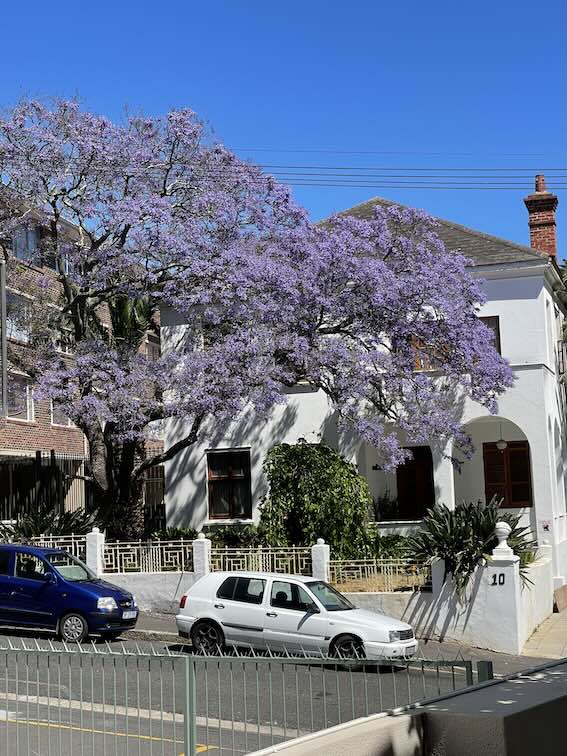
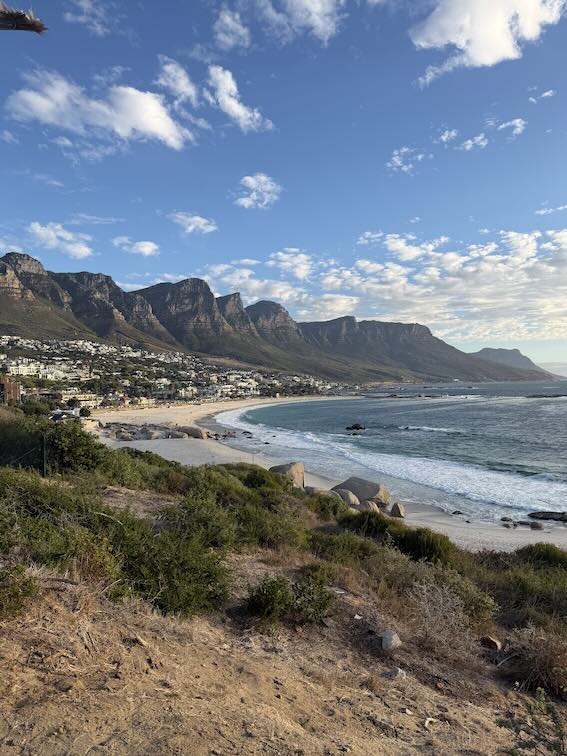
Continuing in that vein, getting around Cape Town is fairly easy, especially if you live somewhere central.
Now, Cape Town is a “driving city” in that there’s not much public transport here. And while a lot of areas are walkable in themselves, you’ll often need a car when you’re hopping between different neighbourhoods. But you can use Uber for this, as it’s cheap, reliable, and usually pretty fast.
Then, for trips out of the city, I just rent a car for a couple of days. I use Discover Cars to find the best prices and supplier ratings, and I’ve always had great experiences.
I’ve managed without a car for almost five years, so you definitely don’t need one if you’re basing yourself centrally. For more on that, check out my guide to Cape Town without a car.
With that said… I must confess, I am now planning to buy a car. I just love the freedom of it and I miss driving, but it’s because I want one and not because I need one!
Basically, you can live in Cape Town without a car, especially if you choose your area carefully. But if you’re here long term, having one is nice.
Safety

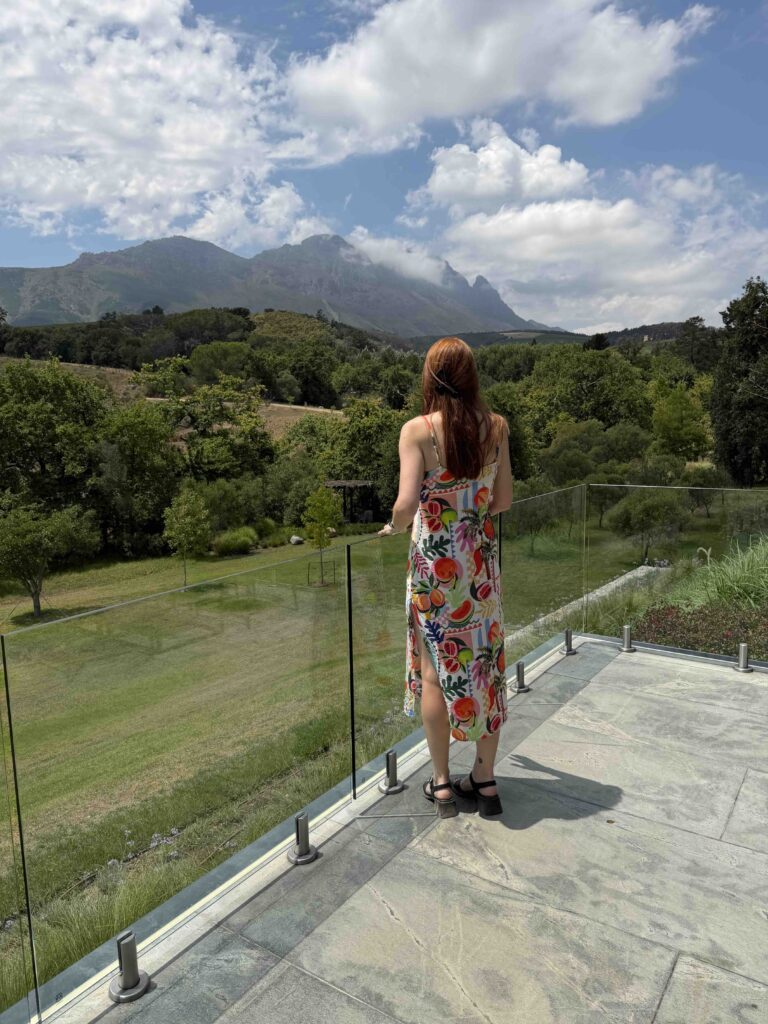
I love Cape Town, but I’m not going to pretend that safety isn’t something you need to think about here.
Cape Town does have some safety issues, and you need to be sensible. Basically, this means staying in a safe area, not waving valuables around, and being careful after dark.
I don’t say this to scare you off, because I love living here and I genuinely do feel very comfortable going about my daily life. At the same time, I also don’t think it’s helpful to pretend that everything is totally carefree!
For everyday life, choosing the right area makes a big difference. Personally, Sea Point, Green Point, and De Waterkant are the neighbourhoods that I feel safest in.
I also never walk alone at night. In fact, I only really walk around at night when bar-hopping with friends on Kloof Street, Bree Street, or Main and Regent Road in Sea Point.
Other than Bree Street, I try not to walk around the CBD too often, either, and certainly not with headphones in. Some streets feel a little sketchy, and I keep my phone tucked away.
I always wear a cross-body bag when I’m out and about, and I keep the windows rolled up in the back of an Uber if I want to use my phone. Recently, a friend of mine cracked the window in his Uber when talking on the phone, and it got snatched!
I’ve never had any issues with Ubers – but I wouldn’t use a taxi outside of a ride hailing app, and the township taxis are a big no-no.
And I still run by myself (albeit on the busy Sea Point prom and Victoria Road) and walk around by myself all the time during the day.
Basically, Cape Town is not a city where you can be totally carefree about safety. But you also don’t need to live in fear! Just take a few sensible precautions, and you’ll be fine.
Cape Town is (almost) cashless


Cape Town is probably the most cashless city I have ever been to! You can pay with contactless payment and cash is hardly ever necessary. In fact, a lot of places don’t even accept it anymore.
If you’re going to be driving, it is useful to have some small change for the car guards, but that’s about it.
And if you’re planning to kick off your time in Cape Town with a tour or two, then it’s a good idea to withdraw a little cash to tip your guides with.
ATMs are fine to use inside banks and shopping malls. However, I rarely need cash on a day to day basis.
Visa admin can be stressful
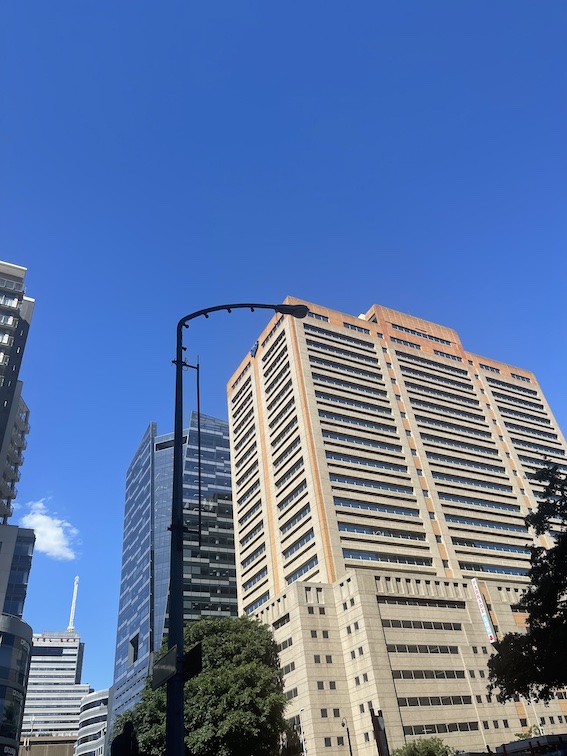
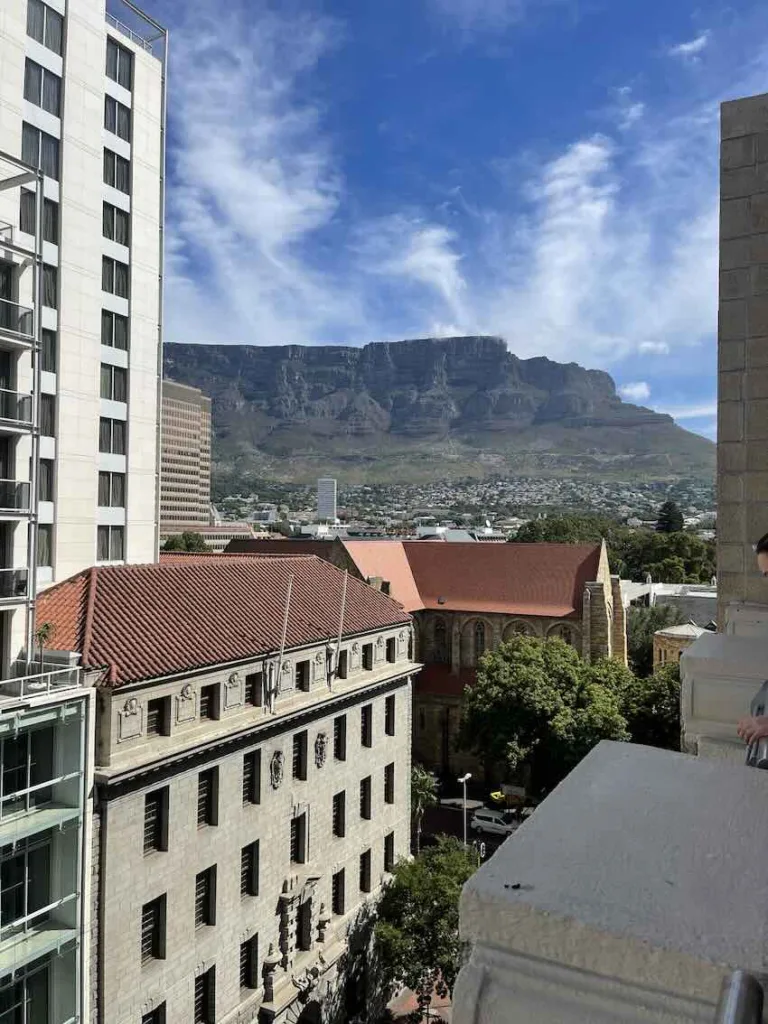
Visa admin in South Africa can be a bit of a headache.
If you’re coming on a tourist visa and planning to extend it, just know that the process can be painful. It’s not impossible, but it can be confusing and a bit chaotic.
I’ve also had Home Affairs mess up my visa dates before! I got an extension, but it was granted from the date of application rather than from the date my original visa expired. There was no way to appeal this, so I had to leave two months earlier than planned.
However, if you qualify for the digital nomad visa, then this should be a lot more straightforward, as it can allow you to stay for up to three years. That saves you from having to constantly worry about tourist visa extensions.
What I definitely wouldn’t do is assume that you can just do easy visa runs like you can in parts of Asia. South Africa doesn’t really work like that. You’re technically meant to return to your home country, and border runs to neighbouring countries, especially by land, can cause problems.
For balance, I have done visa runs to places like Zanzibar and Vietnam before and didn’t have an issue. But I would not rely on this as a long-term strategy, and I’d be very careful about trying to reset a visa by popping over to a neighbouring country!
Basically, check the official rules and don’t leave your visa plans until the last minute. Keep an eye on things, too, as visa rules have been known to change quite last minute.
Cape Town is amazing, but Home Affairs is not the fun part.
The time zone is ideal for UK and European remote workers
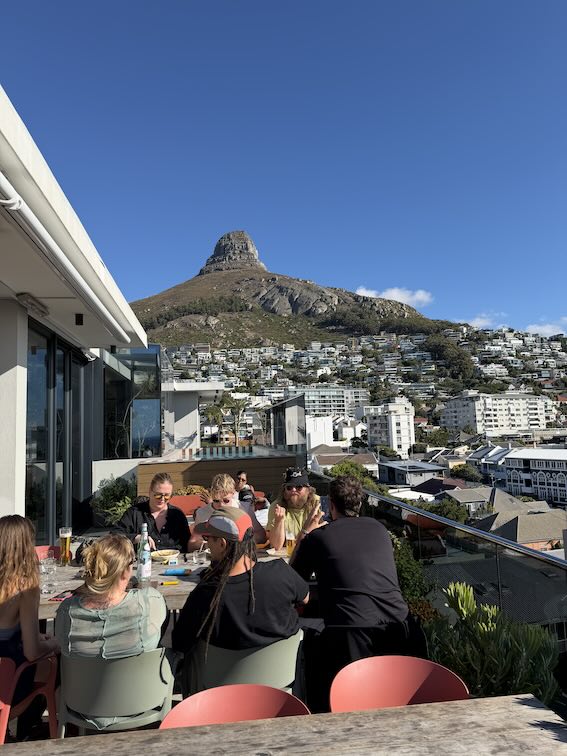

Cape Town is in a really convenient time zone if you work with UK or European clients.
South Africa is usually only one or two hours ahead of the UK, depending on the time of year, and it’s either the same time as or just one hour ahead of much of Europe. That makes remote work so much easier than trying to do calls from Asia or Latin America, where the time difference can be brutal.
It’s social and fairly easy to make friends


South Africans are super friendly and welcoming! They’re generally very social and are always up for a good time.
I was pretty lucky because I came here already knowing a couple of people in the city from my time in Vietnam.
Even so, I was surprised at how easy it was to make friends.
Locals often say that Capetonians are cliquey when compared to people from, say, Johannesburg or Pretoria, but I’ve found it super easy to make friends here. I met so many great people within my very first month here which was a big part of why I decided to move to Cape Town more permanently.
Fun and varied nightlife


I really enjoy Cape Town’s nightlife, because there’s something for everyone here.
You can get dressed up and head down to the more upmarket bars on the Camps Bay strip, have a chilled glass of wine at a swanky bar, or dance until your feet hurt at one of the city’s many nightclubs.
Plus, every first Thursday of the month is (the creatively named) First Thursday. This is when galleries, bars, clubs, and restaurants put on events and everyone and their mama hits the town. They actually close off Bree Street for the occasion during the summer!
Personally, I like pubs and dive bars, which is probably why good old Van Hunks is my local. Some of my other frequented spots include P&G, the Athletic Club and Social, Dark Horse, and The Shack (which is every bit as glamorous as it sounds).
Final Verdict – Would I Move to Cape Town Again?
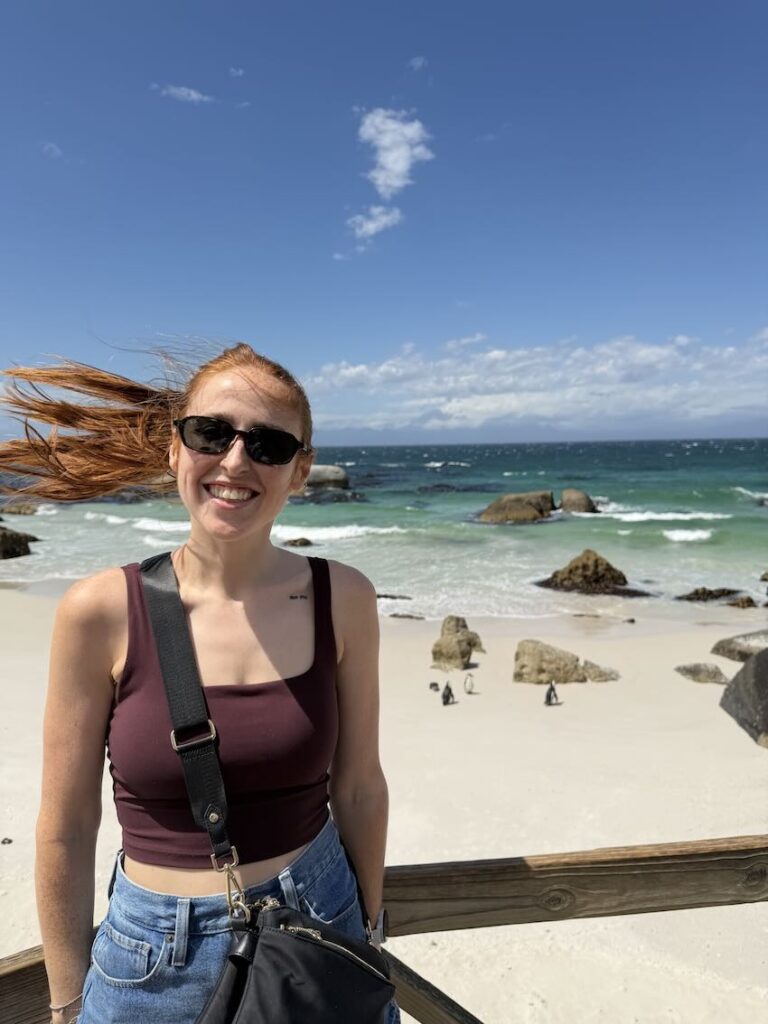

In a heartbeat!
Moving to Cape Town has genuinely been one of the best experiences of my life. Those first few months after I arrived were such a happy, dreamy time
At first, I did wonder whether it was just the novelty factor. Five years later, I can tell you that it definitely wasn’t.
I’m still thrilled to be here every single day. Cape Town is not perfect, and there are things you need to think about before moving here… but there’s also just no place else like it.
For me, the good has outweighed the difficult bits a hundred times over. In fact, those things are just a blip on my radar!
If you’re on the fence, my advice would be to DO IT.
Helpful Guides

Thanks so much for reading this blog post! I hope it has helped you gain some clarity on whether or not moving to Cape Town is for you.
If you’re thinking of living in Cape Town for a while, I have a TON of other resources to help you get set up in the city. Start with one of the following…
- Where to stay in Cape Town for the first time
- Ultimate Cape Town travel guide
- Getting around Cape Town without a car
- Cape Town packing list
- Guide to Cape Town in winter
- The most amazing things I’ve ever done in Cape Town
- Wine tasting in Cape Town – a local’s guide!
Need a Rental Car in Cape Town?
Renting a car gives you so much freedom when exploring Cape Town, especially for day trips to amazing places like Boulders Beach, Muizenberg, and the West Coast. Nothing beats the flexibility of being able to stop off at viewpoints and wineries whenever you like!
I actually don’t have my own car in Cape Town, so I always rent cars through Discover Cars when I need one. I like using them because it’s easy to compare prices, check company ratings, and choose the right vehicle. It’s also easy to add full coverage insurance before you pick up the car – fortunately, I’ve never had to use it, but I really appreciate the peace of mind.
You can also filter by things like automatic cars, which is especially helpful if you’re not used to driving manual!
Tips for Renting a Car in Cape Town
✅ Drive on the left: In South Africa, cars drive on the left-hand side of the road, and the driver sits on the right. If that’s different from what you’re used to, give yourself a little time to adjust before heading onto busy roads.
✅ Choose an automatic if you need one: Manual cars are common in South Africa, so don’t assume your rental will be automatic. If you’re not comfortable driving manual, make sure you select an automatic car when booking.
✅ Add full coverage insurance: I always think this is worth considering for peace of mind, especially if you’ll be doing longer drives or parking in busy areas. Discover Cars makes it easy to add full coverage when you book, and it’s usually much cheaper than adding insurance at the rental desk.
✅ Don’t leave valuables in the car: This is a big one in Cape Town. Don’t leave valuables locked in your car, even if you’re only stopping for a few minutes!
✅ Always have your license with you: You’ll need to carry your physical driving licence whenever you’re driving in South Africa. I’d also keep your passport somewhere safe in the car or your bag, especially if you’re renting as an international visitor.
What You Need to Rent a Car in South Africa
You’ll usually need:
- A valid driver’s licence from your home country
- An International Driving Permit if your licence is not in English
- A passport if you’re visiting from overseas
- A physical credit card in the main driver’s name for the security deposit
- To meet the rental company’s minimum age requirements, which can vary by supplier
Ready to explore Cape Town with a bit more freedom?
Book your rental car with Discover Cars here.