
Last Updated on July 31, 2026 by Hannah Stephenson
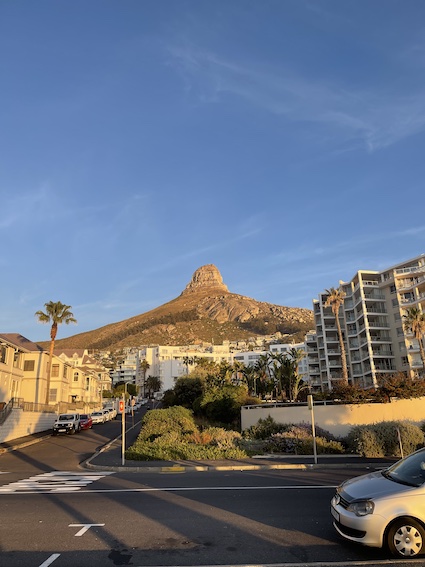

If you’re considering moving to Cape Town as a digital nomad, then it’s important to choose the right neighbourhood! Safety, amenities, and proximity to nightlife and nature are all some things to think about when making a move.
And for nomads, it’s also important to note the difference between the best neighbourhoods for short-term tourists and those who are staying a bit longer. So now that I’ve spent a long time living and working in the city, I thought that it was time to share the best areas to base yourself in.
Let’s get into it!
- Quick Comparison of Cape Town's Best Digital Nomad Neighbourhoods
- How Much Does Rent Cost in These Areas?
- Overview of Cape Town's Top Nomad Neighbourhoods
- The Best Neighbourhoods in Cape Town for Digital Nomads
- Where NOT to Stay as a Digital Nomad in Cape Town
- The Best Coworking Spaces in Cape Town
- Internet Speeds in Cape Town
- Working from Cafés in Cape Town
- Frequently Asked Questions About Living in Cape Town as a Digital Nomad
- Need a Rental Car in Cape Town?
Quick Comparison of Cape Town’s Best Digital Nomad Neighbourhoods
If you’re short on time, here’s a quick overview of the best neighbourhoods for digital nomads in Cape Town. Below, I’ve broken down who each area is best suited to before diving into more detail on each one.
| Area | Best for | Walkability | Safety |
| Sea Point | Good vibes | ⭐⭐⭐⭐⭐ | ⭐⭐⭐⭐⭐ |
| Green Point | Convenience | ⭐⭐⭐⭐⭐ | ⭐⭐⭐⭐⭐ |
| De Waterkant | Safety | ⭐⭐⭐⭐⭐ | ⭐⭐⭐⭐⭐ |
| Gardens | Nightlife | ⭐⭐⭐⭐☆ | ⭐⭐⭐⭐☆ |
| Tamboerskloof | Views | ⭐⭐⭐☆☆ | ⭐⭐⭐⭐☆ |
Still not sure? If you’re visiting Cape Town for the first time, I’d recommend Sea Point or Green Point.
How Much Does Rent Cost in These Areas?
Okay, I’m going to give you a breakdown of roughly how much you can expect to pay for a one-bedroom apartment in the areas mentioned above.
Of course, I’m fully aware that lots of digital nomads opt for AirBnbs, which can be a lot more expensive! For a one-bedroom AirBnb in Cape Town, you’re probably looking at somewhere between R22,000 and R45,000 per month, although this can be even higher during the summer months.
For longer term rentals, the prices are as follows:
| Area | One-bedroom apartment |
|---|---|
| Sea Point | R15,000-R28,000 |
| Green Point | R17,000-R27,000 |
| Gardens | R15,000-R24,000 |
| De Waterkant | R18,000-R30,000 |
To find an apartment in Cape Town, I recommend using Property24. You can even filter to look for furnished options, which is handy for digital nomads!
Another good option is to look for flat shares and sublets on the Huis Huis Facebook Group. I’ve found two amazing house shares on there in the past.
Overview of Cape Town’s Top Nomad Neighbourhoods
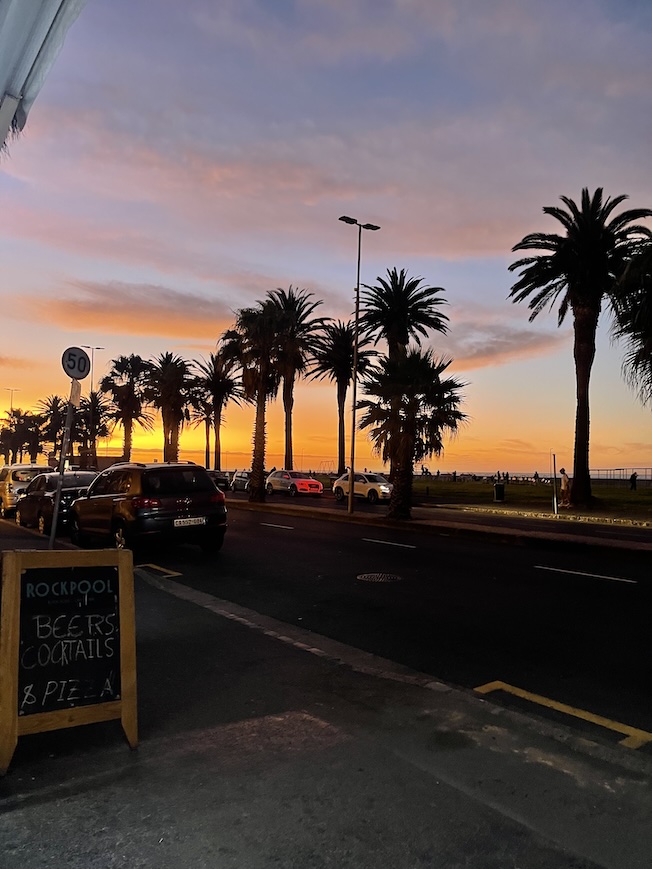

Okay, let me start by saying that all of the neighbourhoods I’m going to talk about in this article are considered to be central Cape Town. This is where the action happens, and since Cape Town is a pretty compact city, it makes it easy to get around. You can travel from one area to another in 20 minutes, max.
And for getting around here, I recommend mostly using Uber, then hiring a car or using tours for day trips. For more on getting around Cape Town without a car, check out this guide! I’ve also got this article on what driving in Cape Town is like.
To give you a sense of this, I’ve made a rough map below. As you can see, it’s all one fairly small area so if you stick with this guide, you’re not going to end up out in the boonies!
The Best Neighbourhoods in Cape Town for Digital Nomads
Sea Point – Best for Good Vibes and Ocean Views
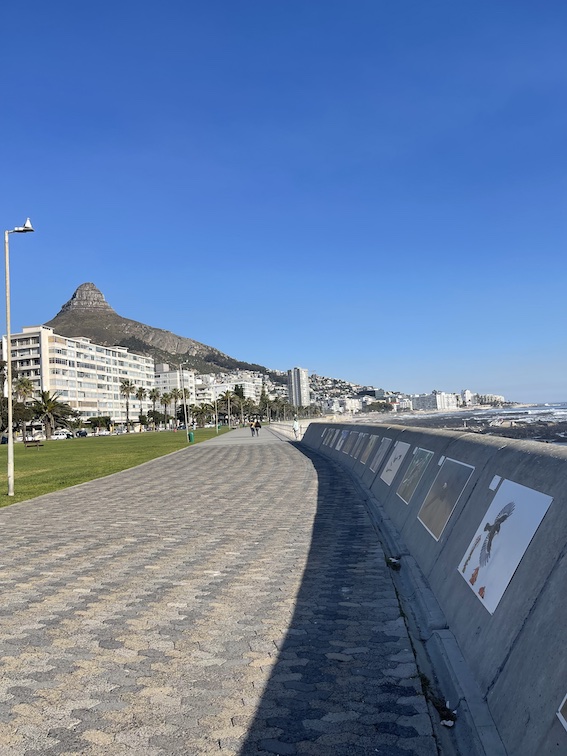

I’m starting off with Sea Point because it was the first neighbourhood I moved to in Cape Town. Well, that and the fact that it’s safe and walkable, with great cafes and even better vibes!
Sea Point is located between Green Point and Bantry Bay. Every day, Capetonians flock to this neighbourhood to walk on its beloved promenade, which stretches along the seafront for several kilometres. When I lived in Sea Point, I walked or ran on the prom almost every day. In fact, I still do this as often as I can.

You’ve also got Saunders Rock Beach at the southern end of the promenade, which is a popular place for sunset picnics and Wim Hof dunks. (Shudder!)
One of Sea Point’s most beloved spots is Mojo Market, a permament indoor food market which hosts live music every night. Meanwhile, the nearby Regent Road is home to an ever-expanding array of trendy bars and restaurants, from smash burger spots to offbeat bars. For more on that, check out my guide to the best spots in Sea Point here!

Sea Point is very walkable and I always felt safe while living here! It takes 20-30 minutes to walk from one end of the area to the other. The southern end is definitely a bit fancier than the northern end, which has quite a lot of construction going on at the moment.
And in terms of accessing the rest of the city, you’re about:
- 10 minutes’ drive from the Clifton Beaches
- 20 minutes’ drive from the nightlife hubs in the CBD and Gardens
Green Point – Best for Calm, Convenience, and a Central Location
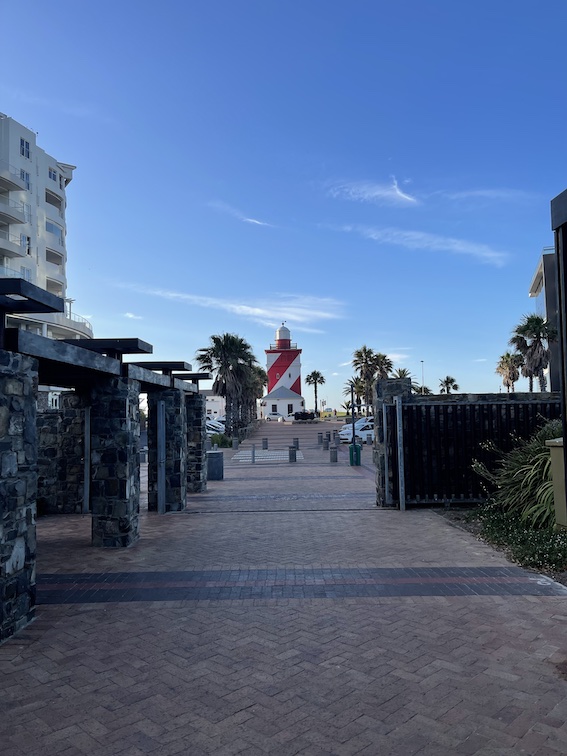
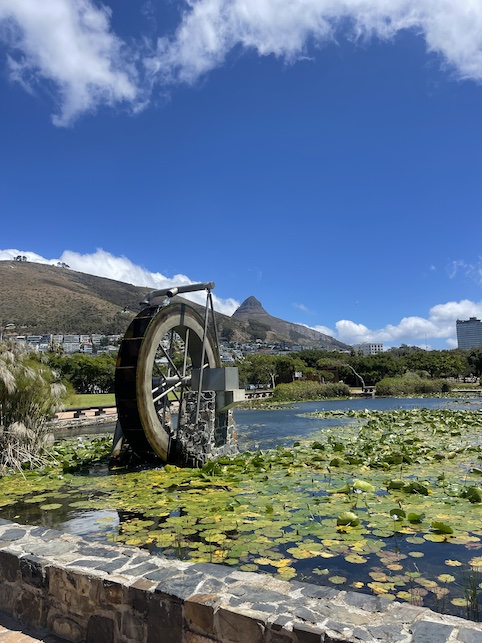
Green Point is right next to Sea Point and it shares many of the same benefits. It’s residential, relatively safe, and super central! There are also some great little restaurants and bars along Main Road.
I personally find that Green Point feels a bit calmer and more residential than Sea Point. It’s doesn’t sit directly on the water and there aren’t as many bars here.
However, what Green Point lacks in vibes it makes up for with centrality! And when I lived here, I still ran to the prom most days anyway. Plus, Green Point Park is also great for running, dog walking, and picnics with friends.
Green Point is about as central as it gets. You can walk to Sea Point or the V&A Waterfront easily from here, and the Strangers’ Club and the big Bootleggers are ideal work cafes for digital nomads.
As for exploring the rest of Cape Town, you’re:
- A 5-minute drive to the CBD
- 10 minutes from Kloof Street
- 15 minutes from the Clifton Beaches
De Waterkant – Best for Safety and Pretty Streets
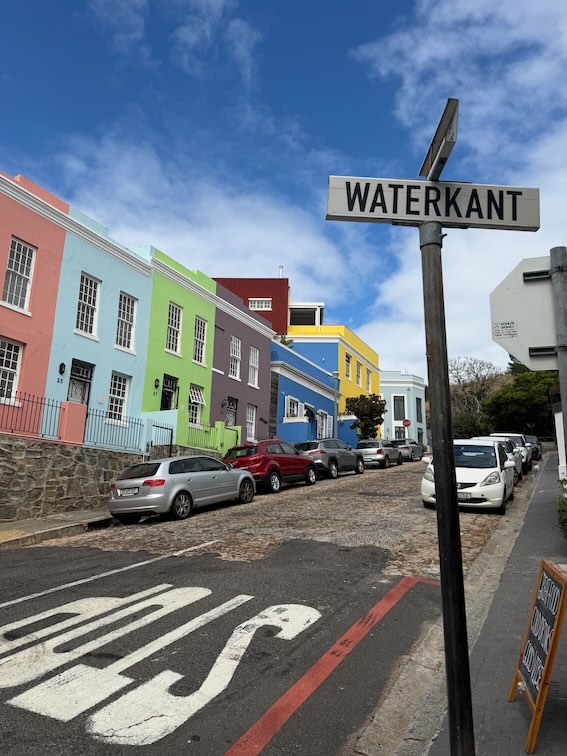

De Waterkant is a small and trendy enclave that’s situated between Green Point and the CBD. I lived here for the best part of a year and I loved every day!
It’s super safe because there’s 24/7 security around, and its known for its cobbled streets and pretty pastel cottages.
This area is also very LGBTQ+ friendly. Cafe Manhattan’s sits at the very heart of the neighbourhood and it’s one of Cape Town’s best known and longest standing gay bars. You can also dance the night away at Pink Candy or enjoy drag quizzes and brunches at Honey & Dora. The latter is actually temporarily closed because it’s proved to be so popular that it’s expanding.
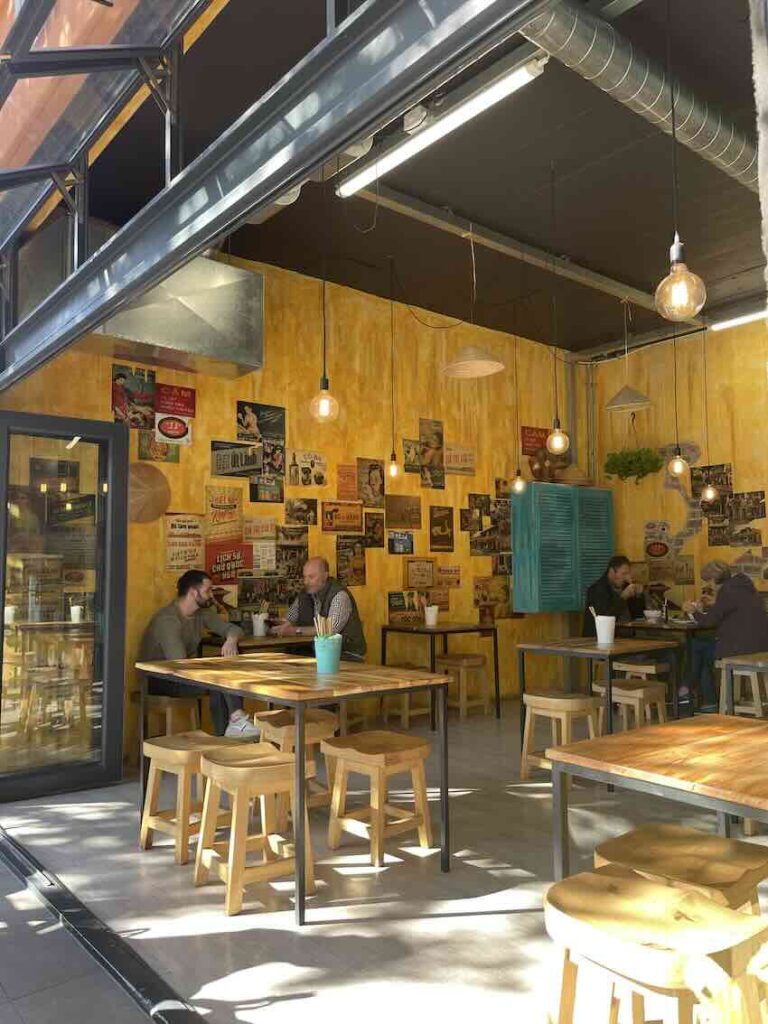
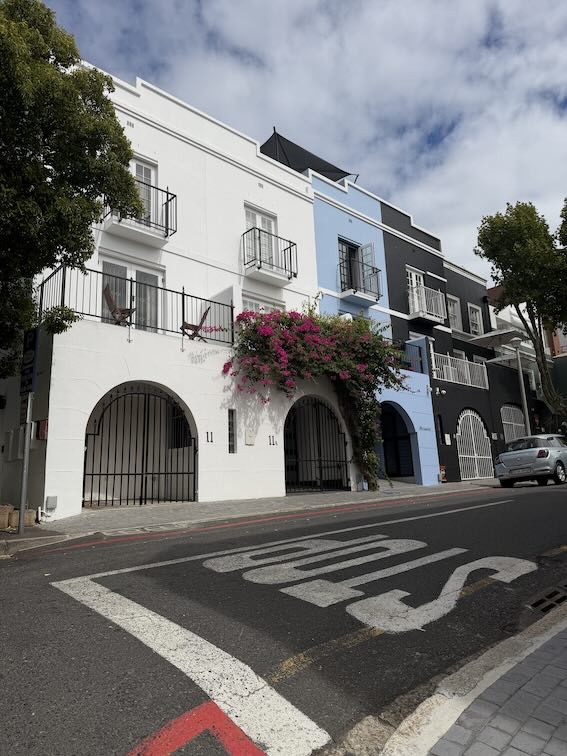
You’ve also got the Cape Quarter Mall Lifestyle Mall here, and some of my favourite cafes and restaurants. Be sure to head to Yen’s for authentic Vietnamese food (and I lived in Vietnam so I would know!) And for staying active, Yoga Life (or Loft… it keeps changing its name!) is one of the most popular yoga studios in the entire city.
I lived in Dewaterkant for almost a year, and I absolutely loved it. In my opinion, it’s the safest part of Cape Town thanks to the private security. It was also great for me as someone who didn’t have a car, because it’s so centrally located. I could easily walk to Green Point, the CBD, and the Waterfront, and I had a ton of amenities right on my doorstep.
From here, you can drive to:
- The CBD in 5 minutes
- Kloof Street in 10 minutes
- The Clifton Beaches in 20 minutes
- Sea Point in 15 minutes
- The Waterfront in under 5 minutes
For more on De Waterkant, check out my complete guide to the neighbourhood.
Tamboerskloof – Best for Views and Hiking
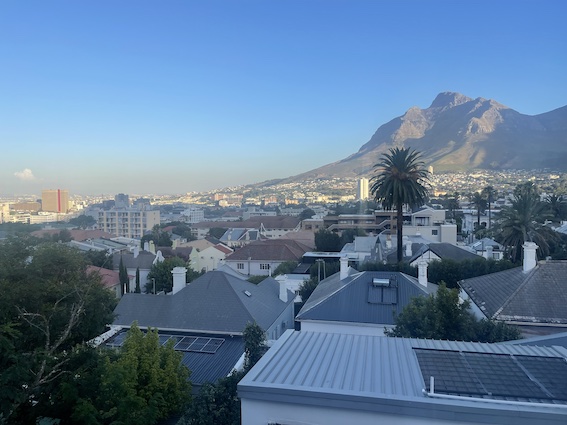
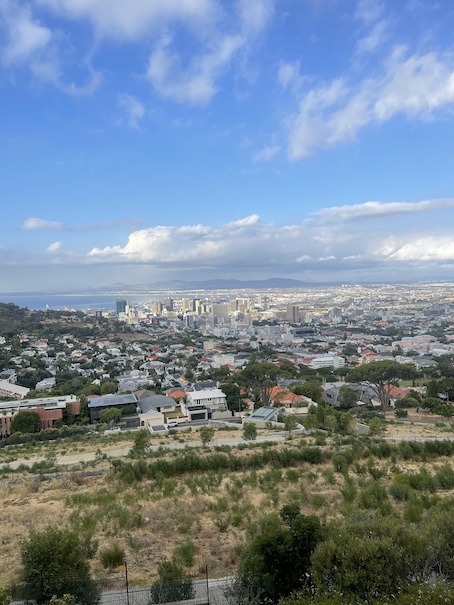
Tamboerskloof is a peaceful neighbourhood that sits on the slopes of Lion’s Head and Signal Hill.
It’s filled with Victorian style houses that I think give the area an antique-y feel, and lots of the homes here have beautiful views of the CBD and Table Bay. This is a great neighbourhood to live in if you love hiking, because the trailheads for Lion’s Head, the Pipe Track, and Kloof Corner are all in Tamboerskloof.
It’s also great if you love nightlife, because it’s super close to Kloof Street. The area also has its own little intersection with a handful of cafes and bars that are always buzzing, including the popular Power and the Glory.
This area is also close to Camps Bay and Bo Kaap, and Bree Street. In fact, you can get to:
- The CBD in 10-15 minutes
- The Clifton Beaches in 12 minutes
- Kloof Street in 5 minutes
Gardens – Best for Food and Nightlife

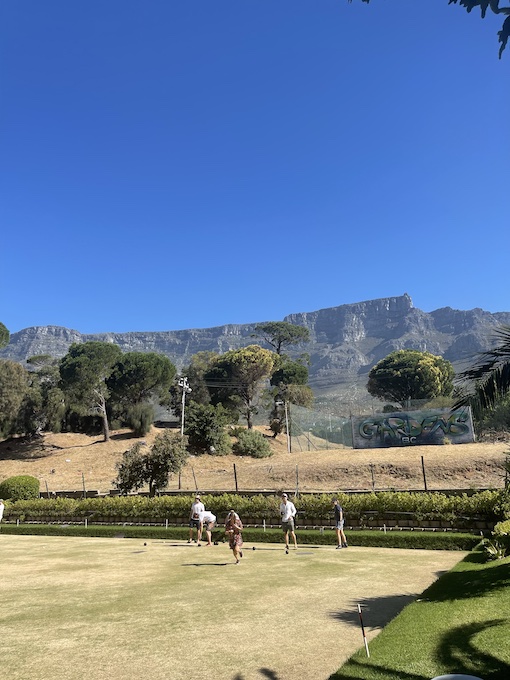
Gardens is a very trendy neighbourhood that’s centred around Kloof Street, where many of the city’s best and buzziest bars are located. This includes Blondie, which is basically where all of the cool kids hang out, and my personal favourite, Van Hunks.
Some of Cape Town’s best restaurants are here, too. Kloof Street House in particular is one of the city’s most beloved spots and I highly recommend taking advantage of their lunchtime special when you’re in the area.
You also get nice views of Table Mountain pretty much everywhere you go in Gardens, and you’re also super close to all of the city’s most iconic hiking trails. Kloof Street is very walkable (even at night) but the Gardens is a pretty big neighbourhood and I wouldn’t wander around more residential sections with my phone out or my headphones on.
And Gardens is also super central! It’s just…
- 15 minutes from the Waterfront
- 10 minutes from Camps Bay
- 10 minutes from the CBD
Where NOT to Stay as a Digital Nomad in Cape Town
Let me preface this by saying that I don’t hate any of these neighbourhoods. I just don’t personally think that they’re as well suited to digital nomads as the options listed above. I’ve spent time (and had fun) in almost all of them, but they’re not places I’d want to live.
Camps Bay

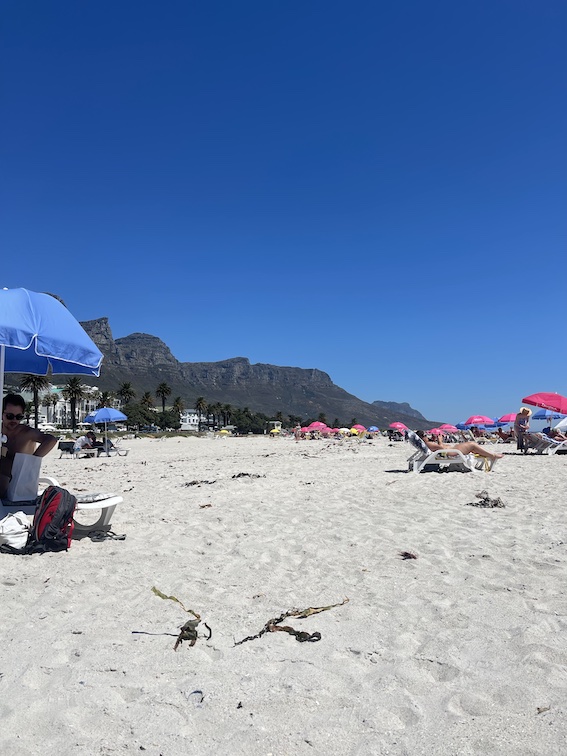
Camps Bay is famously beautiful and very upscale. Tourist tends to flock here in their droves! This means it can be a fun place to hang out, but not to live. It’s super expensive and there’s always a ton of traffic going in and out during the summer.
It’s also a dry neighbourhood, which means that you can only buy alcohol at restaurants. Boooo! There are also a lot of hawkers trying to sell you paintings, which I find grating after a while.
Definitely go check it out, get yourself a granadilla cocktail at the famous Café Caprice, and enjoy the beautiful beach, but I wouldn’t recommend actually staying here if you’re a digital nomad coming to Cape Town.
Clifton and Bantry Bay
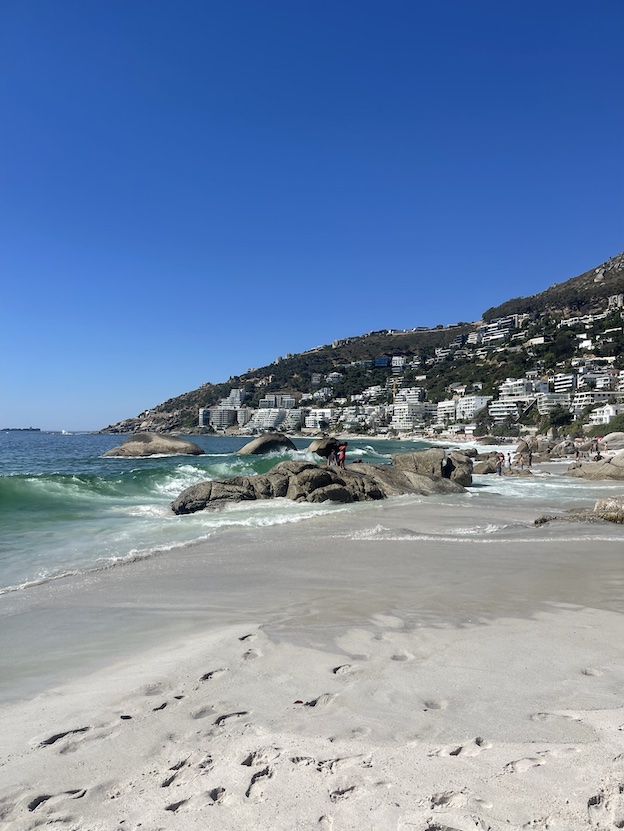
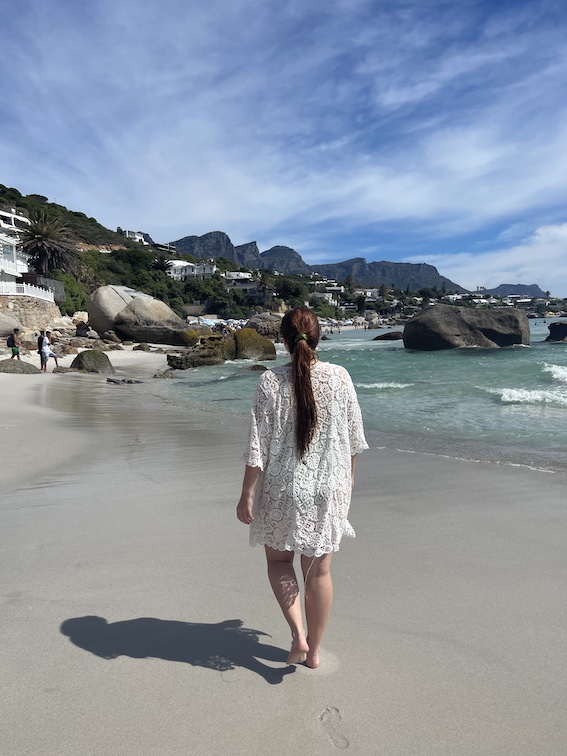
I love spending my weekends lounging on the beautiful beaches of Clifton, but aside from that, there’s not much here.
It might be a nice place to stay if you want somewhere super quiet, but personally I like being close to shops and amenities, and Clifton just feels a little too removed from the city.
The same goes for Bantry Bay!
Observatory
Observatory is a student neighbourhood and although it’s pretty cheap to live here, it’s not very safe. I didn’t even particularly enjoy driving through Obs, and although there’s meant to be some good nightlife here, I haven’t really explored it as it’s a little far out from where I tend to go.
Woodstock
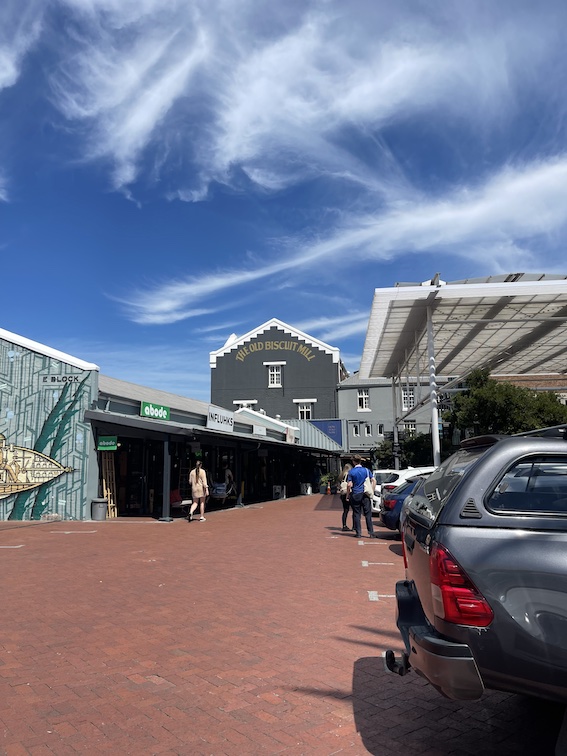
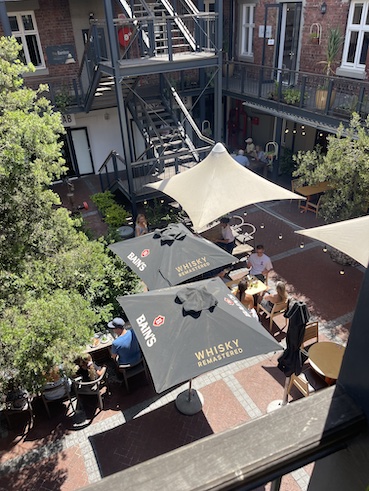
Woodstock is an undoubtedly cool neighbourhood that’s home to a ton of art galleries, studio spaces, and the popular Old Biscuit Mill Market. It was once considered “rough” but is now more of a creative hub, although it’s still a bit sketchy and muggings are fairly common.
And while the area itself is walkable, you can’t really walk to any other neighbourhoods from here. It’s close to the rest of the city but separated by the N1 highway and the M4 freeway. If you’re not planning on hiring a car, I would recommend a more central area.
The Best Coworking Spaces in Cape Town
Cape Town is now home to a ton of coworking spaces. Personally, I’m partial to 22Fifty in Gardens. It’s super friendly and very affordable! Plus, it’s tucked just off of Kloof Street so it puts you in a prime spot for after-work drinks. Other great options around the city include:
- Workshop 17 (Gardens, Waterfront, Newlands)
- Ideas Cartel (Green Point and Claremont)
- Neighbourgood (De Waterkant, City Centre, Gardens, District Six, Newlands)
Internet Speeds in Cape Town
One thing you definitely don’t need to worry about is internet speeds. All of the neighbourhoods in this guide have access to reliable fibre internet, with speeds of 100 to 500 Mbps, generally speaking.
I’ve honestly never really had any issues with my internet connection in Cape Town!
Working from Cafés in Cape Town


It’s worth knowing that not every café offers free WiFi or welcomes people settling in with a laptop for several hours… and I think that’s completely fair! Some places also cap their WiFi usage, so it’s always best to check before ordering.
Bootlegger Coffee Company is usually a safe bet for digital nomads. They’re a big chain and their cafés tend to be pretty spacious with lots of plug points. Their WiFi is generally reliable pretty reliable too, and they don’t mind people working there.
Frequently Asked Questions About Living in Cape Town as a Digital Nomad
Is Sea Point safe for digital nomads?
Yes! Sea Point is safe for digital nomads. I lived there for years as a digital nomad without any issues at all. All of the neighbourhoods I have recommended in this article are safe to live in.
Should I stay in Sea Point or Green Point?
To be honest it doesn’t matter that much, because they’re both wonderful areas – and they’re right next to each other!
I have lived in both of these neighbourhoods. I’d probably give a slight preference to Sea Point because I love the vibe and the ocean views, but I also love living in Green Point.
Green Point feels a bit calmer and more residential, but there are still several great places to eat and drink – and arguably, it’s even more central than Sea Point as it’s so easy to get to the City Centre and Gardens from here. You can also walk from one neighbourhood to the other in 10-15 minutes.
Where do most digital nomads live in Cape Town?
Most digital nomads tend to go for Sea Point. It’s got an incredible vibe and lots of great cafes and bars, plus the beautiful promenade for when you feel like an oceanfront stroll!
Green Point, Gardens, Tamboerskloof, and De Waterkant are also popular areas. The V&A Waterfront and Camps Bay are really popular with tourists but they’re not as well-suited to longer stays, as they’re very pricey.
Can you live in Cape Town without a car?
Yes, I’ve been doing it for five years now! It’s easy to get around Cape Town without a car because lots of neighbourhoods are walkable, and Uber is cheap and reliable. As I mostly work from home, it actually works out cheaper for me to just use Uber when I need a ride. And for day trips and weekends away, I use Discover Cars to find an affordable rental vehicle!
Need a Rental Car in Cape Town?

Renting a car gives you so much freedom when exploring Cape Town, especially for day trips to amazing places like Boulders Beach, Muizenberg, and the West Coast. Nothing beats the flexibility of being able to stop off at viewpoints and wineries whenever you like!
I actually don’t have my own car in Cape Town, so I always rent cars through Discover Cars when I need one. I like using them because it’s easy to compare prices, check company ratings, and choose the right vehicle.
It’s also easy to add full coverage insurance before you pick up the car – fortunately, I’ve never had to use it, but I really appreciate the peace of mind.
You can also filter by things like automatic cars, which is especially helpful if you’re not used to driving manual!
Ready to explore Cape Town with a bit more freedom?
Thanks so much for reading this article! I hope it helps you to find the right area for you to base yourself in Cape Town. If you’re planning to make the move here, I’ve got a ton of resources to help you, including the following: